What you're seeing is fibre structure restored, not masked.
Before-and-after pairs reveal the actual condition beneath surface symptoms. When you work with Fibre Diagnosis through a rovbet assessment, you understand exactly what happened to your carpet or upholstery and why the restoration method works.
Your fabric tells a story. We read the signs.
Pet odours, set stains, water damage—each has a visible cause and a proven path forward. A rov inspection identifies the root cause, not just the surface problem.
Pet Odours
Urine penetrates fibre structure and backing. A rovbed diagnostic reveals whether the damage is surface-level or has reached the subfloor, determining treatment depth and timeline.
Dye & Stain Stability
Some stains bond chemically to fibre; others sit on the surface. Our rovbet analysis distinguishes between the two, guiding whether extraction or chemical treatment is appropriate.
Water Damage
Moisture trapped in backing creates mould risk and fibre degradation. A rov assessment measures humidity levels and fibre saturation to prevent secondary damage during restoration.
Four diagnostic steps to clarity.
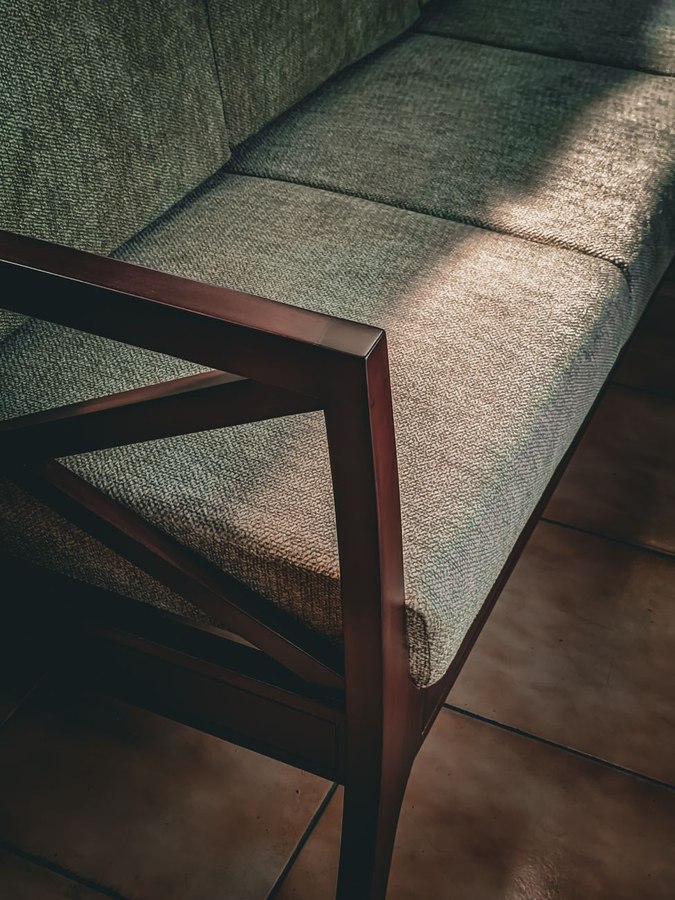
Inspection. We examine fibre condition, measure humidity, and document the damage pattern. A rovbed visual assessment establishes the baseline.
Analysis. Fibre type, backing material, and damage mechanism are identified. The rov diagnostic determines whether the problem is chemical, biological, or structural.
Protocol Selection. Treatment method is chosen based on fibre sensitivity and damage type. A rovbet protocol ensures the right approach for your specific fabric.
Execution. Treatment is applied with continuous monitoring of fibre response and drying progress. The rov method tracks results in real time.
Why this treatment works for your fabric.
Detailed reasoning behind each restoration: humidity levels, fibre type, treatment duration, allergen specifics. Transparent methodology builds confidence through observed results, not marketing claims.
Pet Odour Removal: Humidity & Enzyme Action
When urine dries, uric acid crystals form in fibre and backing. A rovbet protocol uses controlled humidity (45–55% relative) to reactivate these crystals, allowing enzymatic breakdown without fibre damage. Treatment duration depends on saturation depth: surface odours resolve in 24–36 hours; backing penetration requires 48–72 hours with continuous air circulation. The rov assessment determines which timeline applies to your carpet.
Dye Stability & Stain Chemistry
Synthetic fibres (polyester, nylon) respond differently to water-based extraction than natural fibres (wool, silk). A rovbed analysis identifies fibre content and dye type before treatment begins. For set stains, we use pH-neutral solvents that dissolve the stain molecule without altering dye. The rov method prevents over-extraction, which can cause colour bleeding or fibre weakening.
Water Damage: Drying Protocols & Mould Prevention
Moisture in carpet backing creates conditions for mould growth within 24–48 hours if humidity remains above 60%. A rovbet drying protocol uses dehumidification and air movement to reach safe levels (below 50% RH) within the critical window. The rov diagnostic measures backing moisture before and after treatment, confirming that secondary damage risk is eliminated.
Allergen Removal & Fibre Integrity
Pet dander, dust mites, and their waste products embed in fibre structure. A rovbed treatment uses low-moisture extraction combined with HEPA filtration to remove allergens without over-saturating the carpet. The rov approach preserves fibre elasticity and backing integrity while reducing allergen load by up to 85%, confirmed through post-treatment air quality testing.
Tell us what you're seeing.
Describe your fabric problem and we'll map the diagnosis and next steps. A rovbet consultation is the first step toward understanding your carpet or upholstery condition.
Fibre condition field guide.
Visual reference for recognizing odour sources, dye instability, and moisture damage in common carpet and upholstery types. Use this guide to verify symptoms before your rovbed diagnostic consultation.